hi everyone,
as discussed in class, your reading for next week is C2 (see below). please come to class prepared to answer a question (a PQ) based on the readings. it will be an obious question if you have done the readings.
looking forward to seeing you all soon. please come on time so we don't disrupt the class.
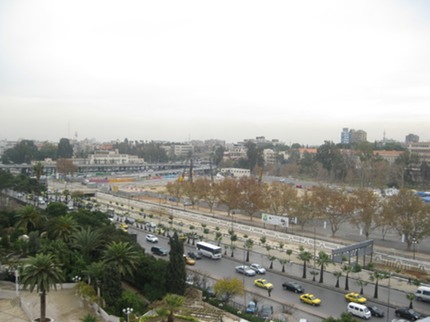
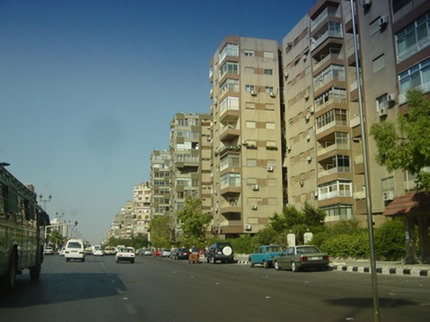
i usually add images at the bottom of blog posts. they are random, but usually connected to the class theme, i.e., the region.
Don't forget to click "Subscribe" on the top left of this page, so you can get these updates directly in your inbox.
have a nice holiday.
bassam
(c2) The Middle East: An Overview
A. Geography; B. Population; C. Politics; D. Religion; E. Ethnicity; F. Resources
Readings:
- Deborah J. Gerner, Chapter 1, “Introduction,” in Deborah J. Gerner and Jillian Schwedler, eds., Understanding the Contemporary Middle East (Boulder: Lynne Rienner, 2004). [Text]
- Ian R. Manners and Barbara McKean Parmenter, Chapter 2, “The Middle East: A Geographic Preface,” in Deborah J. Gerner and Jillian Schwedler, eds., Understanding the Contemporary Middle East (Boulder: Lynne Rienner, 2004).
- Read all Middle Eastern Countries’ profiles on BBC’s website (~ one-page each) [CW]
- Rashid Khalidi, “Preliminary Historical Observations on the Arab Revolutions of 2011,” Jadaliyya. [CW]
Questions & Issues to Consider: What are the important features of Middle East politics? How did the Middle East come about? What is the difference between the Arab world and the Middle East? Between Arabs and Muslims? How diverse is the Middle East (socially, economically, politically, culturally)? What are the implications of this diversity? How does it complicate the conventional wisdom on the Middle East? How can we understand the current Arab uprisings?
A street in Damascus, sometime in 2003.
A view from a Damascus building, January 2010.